Inclusive Chair Yoga
A Gentle Path to Connection, Vitality, and Inner Balance
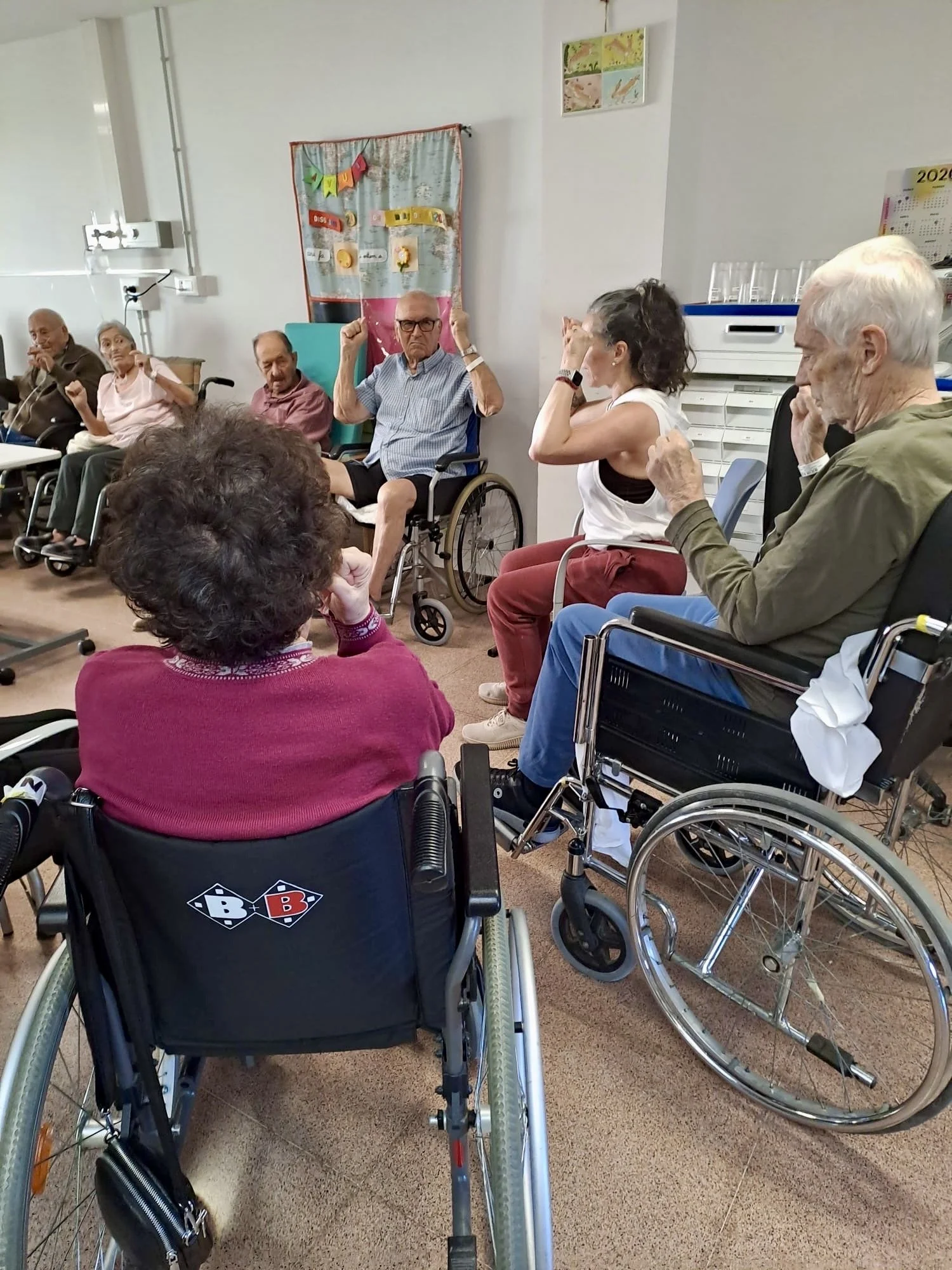
At Yin & Reset, we believe that wellbeing should be accessible to every body, in every stage of life. Our Inclusive Chair Yoga sessions are thoughtfully designed to bring the essence of yoga into hospitals, rehabilitation centers, addiction recovery settings, community centers, and care homes—spaces where care, support, and human connection matter most.
These classes offer a soft yet powerful invitation to slow down, reconnect, and restore. Rooted in the principles of yin yoga, our approach emphasizes gentleness, presence, and deep listening. Using the chair as a foundation, we create a safe and supportive environment where participants can explore movement without strain, regardless of mobility, age, or health condition.
But our sessions go beyond traditional yoga.
We weave together mindful movement, somatic awareness, and cognitive stimulation to nurture the whole person. Through guided somatic practices, participants are encouraged to feel into their bodies, releasing tension and rediscovering ease from within. Simple, engaging cognitive exercises are integrated to support memory, coordination, and mental clarity—making each session both grounding and enlivening.
The benefits are both immediate and lasting:
Improved mobility and joint health
Reduced stress and anxiety
Enhanced body awareness and emotional wellbeing
Increased cognitive engagement and social connection
More than just a class, Inclusive Chair Yoga is a shared experience—one that fosters dignity, joy, and a sense of belonging. It creates moments of calm in clinical settings, sparks connection in community spaces, and brings lightness into care environments.
At Yin & Reset, we hold space for each individual exactly as they are, honoring their pace, their story, and their potential to feel better—gently, and with compassion.
Emotion Drives Connection with the Body
Emotions are deeply intertwined with physical experience, shaping how we move, feel, and relate to ourselves. In our sessions, we gently acknowledge and welcome emotional expression as part of the practice. Through mindful movement, breath, and somatic awareness, participants can reconnect with their bodies in a safe and compassionate way, allowing held emotions to soften and integrate. This process nurtures self-awareness, supports emotional regulation, and fosters a deeper sense of inner connection and ease.
Movement Activates Memory
For older adults, movement is more than physical—it is a gateway to memory, identity, and connection. Gentle, guided movement can stimulate neural pathways linked to memory and cognition, helping to awaken recollection and support mental clarity. By combining simple sequences with attention, rhythm, and breath, participants often reconnect with familiar sensations and experiences stored in the body. This approach can be especially supportive for individuals experiencing cognitive decline, offering moments of recognition, confidence, and presence.
The Cognitive path
Classes are designed to engage:
The mind (understanding and structure)
The emotions (motivation and confidence)
The voice (expression and communication)
This aproach make the practitioners feel seen, heard, and valued — which dramatically improves participation and enjoyment.
If your organisation would like to benefit from these classes please contact us for further information at aida@leeandaida.com
Accessible Through Community Support
At Yin & Reset, these sessions are offered primarily as part of our volunteer work, with the intention of making gentle, inclusive movement accessible to those who can benefit from it most. We believe that wellbeing practices should not be limited by circumstance, and we are committed to bringing these classes into spaces where they can truly make a difference.
While most of our sessions are provided free of charge, we warmly welcome any contributions from organizations or participants who wish to support and sustain this work. Donations help us continue offering these classes, expand our reach, and maintain the quality and care that each session embodies.
Any form of support is deeply appreciated and goes directly toward making Inclusive Chair Yoga available to more communities.
Welcome to Yin and Reset.
Mindful Movement & Memory